Featured
Table of Contents
Examine media databases and past coverage to recognize which outlets are probably to cover your story, then utilize those insights to enhance your angle and timing for outcomes. PRLab's expert-tip: Fact-check all AI output for errors considering that it in some cases generates convincing however false info. Be transparent with clients: software application speeds up drafts and research, but your team drives technique and relationship-building.
Measuring the Intangible Benefits of Premium DesignGenerative Engine Optimization (GEO) is a content optimization technique that assists your material show up in answers from. Individuals now ask questions and anticipate immediate, summarized answers instead of scrolling through search engine result. By 2025,, doubling in just a few months. This creates a brand-new channel for PR teams to affect through the When someone asks a chatbot a concern, they frequently get the answer without even going to a site.
now does double the workas GEO prioritizes brand mentions and citationsThe you already create are what AI systems focus on. Here's how to take advantage of them: Test 10-20 typical industry concerns in AI platforms to see who gets pointed out. Concentrate on getting cited in using tools like HARO (Help A Reporter Out) or QwotedStructure to include professional quotes, pertinent keywords, specific information points, and context.
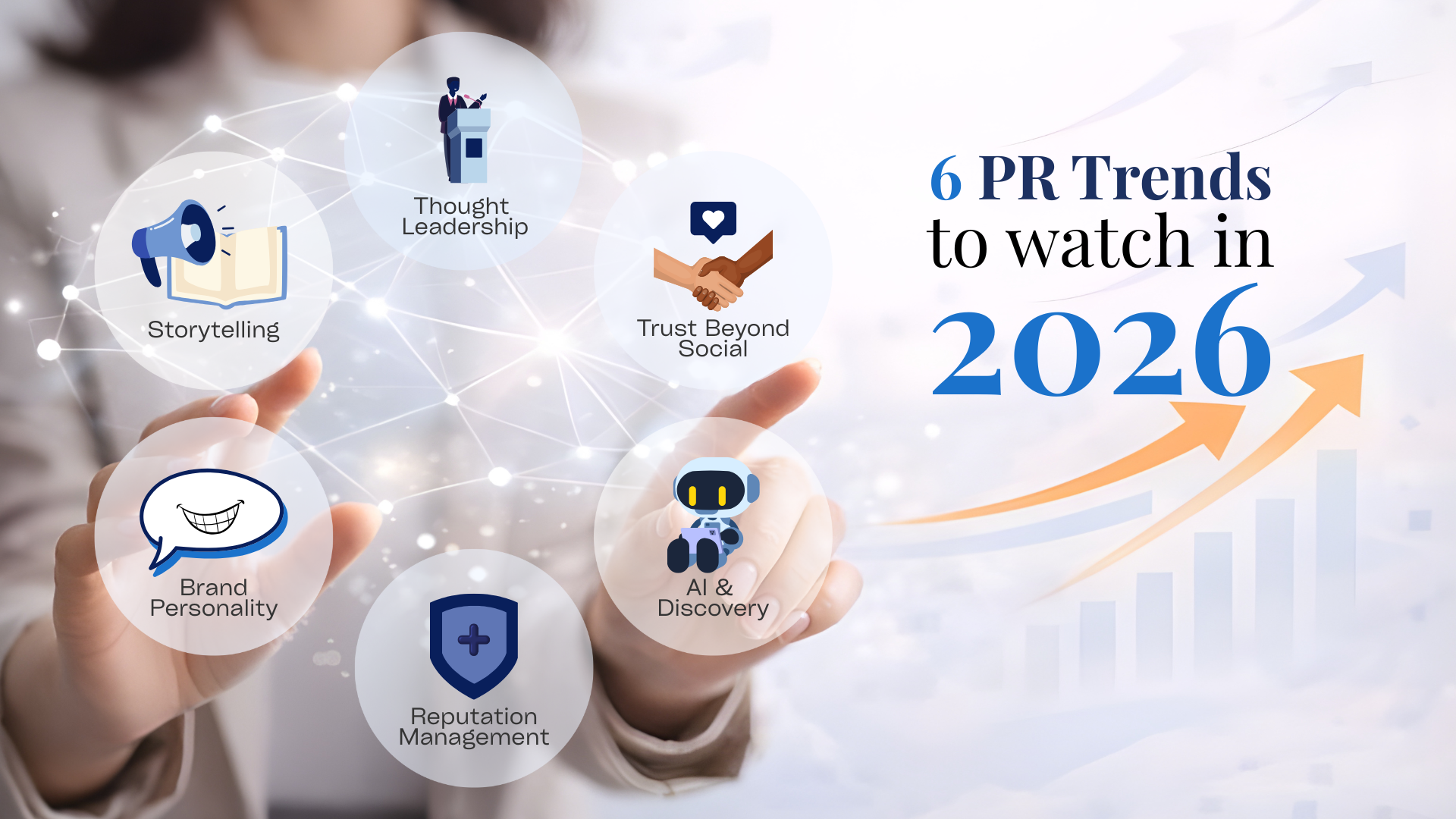
Ways to Measure Reputation ROI Accurately
Release original research and proprietary data that other sources will reference. You can likewise enhance your owned material by responding to specific concerns completely with structure and scannable format. Founder-led branding constructs around the idea that a company's story is greatest when informed by the individual who began it. They want to know who's in fact behind the brand and what drives them.
When individuals hear straight from a founder, they feel a connection to the service. Rivals might match your features or prices, but Brands construct trust faster due to the fact that they put individuals first, revealing the human element and innovative thinking behind service decisions. matters too as founders who end up being voices people actually follow.
Turn that into brief, recyclable material for PR, socials, and interviews. Make a strategy, batch the material, and set a couple of clear borders for what to share.
Do not force exposure if it's not their style, and if individual issues turn up, be transparent early as it constructs more trust than silence. The winning combination is founder credibility with strategic instructions, not founder presence without substance. Creativity is making a return in PR since so much material now feels robotic, rushed, or identical.
Navigating the Evolution of AEO for Success
Imagination breaks through when everything else looks the same, and that'sOriginality has ended up being the brand-new step of professional value. This opens the door to more powerful storytelling and much deeper audience trust. Brands that purchase originality grow their impact. Develop imaginative practice into your daily routine instead of waiting for quarterly brainstorms.
When briefing new tasks, obstacle every concept with non-traditional angles before settling on the safe path. PRLab's expert-tip: Utilize the "Creative First Filter" before accepting any project. Ask three concerns: First, does this concept need our particular brand voice and viewpoint, or could any competitor perform it? Second, does it make someone feel something unanticipated like surprise, delight, or interest? Third, would someone share it because it's truly interesting, not simply due to the fact that it's useful or promotional? The very best PR campaigns feel unavoidable in hindsight but weren't apparent at the quick stage.
Social media doesn't await you to gather realities and draft careful statements. Silence looks suspicious. In 2025,, and fake videos filled the gap. If you react early, you can include the concern before it escalates to major media. Brands that consistently respond right away and transparently construct long-term authority that settles when things fail.
Next, prep easy, ready-to-go messages for common issues like data leaks or product issues so you're not rushing when something breaks. If you're building your in the middle of a crisis, it's currently far too late. Set a clear approval process with a go-to crisis group that can provide the green light quickly without a long e-mail chain.
Effective Media Outreach Tactics for Greater Impact
Utilize a short, steady message like, "We're mindful of the scenario and investigating. Work with legal groups ahead of time to pre-approve safe language so you're not stuck waiting for clearance.
The market is growing quick and is anticipated. This goes beyond including a name to an email template. It indicates knowing PR is moving from spray-and-pray mass pitching to targeted, research-backed outreach that develops actual relationships. Journalist fatigue is real, and generic pitches claiming to be "customized" make it even worse.
When you pitch somebody who actually covers your subject and reference their recent work, you're much more most likely to get protection that drives awareness,, or. Trust has actually become the currency in , and genuine hyperpersonalization is how you earn it. To put this into practice, start by utilizing tools like Prowly or Filth Rack to discover what each reporter covers.
Produce modular press materials that you can easily tailor based on who you're contacting. Last but not least, constantly follow GDPR and regional compliance guidelines as PRLab's expert-tip: There's a great line in between reliable customization and being invasive. Reference the journalist's recent work directly in the subject line or very first line. Some reply to pitches at 6 AM, others after midnight, so utilize previous engagement patterns to time your message for presence.
Emerging Insights Shaping Public Relations for 2026
When someone asks ChatGPT or Google's AI Overviews about your market, these tools deliver one definitive response. That's why Credibility Engine Optimization matters as it utilizes PR to, so your material needs to structure your brand's story throughout relied on sources.
The brands winning here treat AI visibility like reputation insurance coverage: To use narrative intelligence, start by examining how AI tools describe your brand and see what shows up. Construct a strong presence by making media coverage in trustworthy outlets and producing fact-based, easy-to-read material that AI can reference. Finally, track how typically your brand is mentioned and how accurately it's portrayed using tools like Meltwater or Brandwatch, so you can adjust and enhance your visibility before false information spreads.
Don't assume AI will self-correct mistakes, but focus on responding to concerns about your industry with beneficial, substantive material that positions your brand as the go-to source. PR success is now determined by service impact, not vanity metrics.
Modern tools now make it possible to track how communication efforts directly affect organization efficiency. When you can reveal a project driving $2 million in pipeline or protecting brand value during a crisis, PR makes the budget plan and credibility it deserves. This kind of evidence modifications how management views your group.

Latest Posts
How Semantic Search Redefines Toronto
Ways to Evolve Your Brand Strategy for 2026
Unlocking Growth Through Reputation Management